Padmaja Joshi

Uncategorized

diet plan for type 2 diabetes what to eat and avoid

Diet Plan for Type 2 Diabetes: What to Eat and Avoid

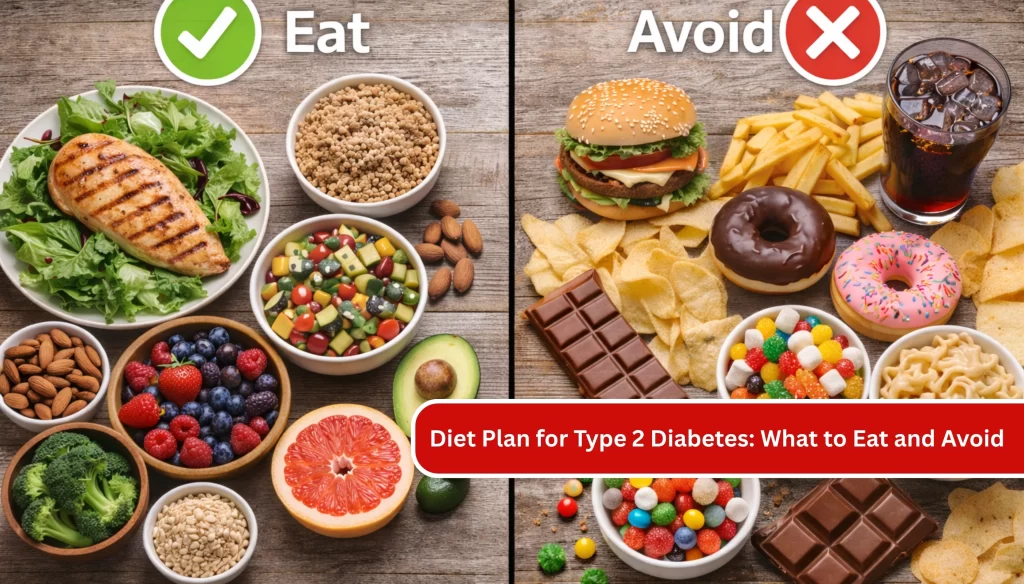
Diet Plan for Type 2 Diabetes: What to Eat and Avoid Managing Type 2 Diabetes requires more than just medication—it involves making healthy lifestyle choices, especially when it comes to diet. The foods you eat have a direct impact on your blood sugar levels, energy, and overall health. A balanced and well-planned diet can help regulate blood glucose, maintain a healthy weight, and reduce the risk of complications. In this guide, we will explore a practical diet plan for individuals with Type 2 Diabetes, including foods to include and foods to limit. Why Diet Is Important for Type 2 Diabetes For people with Type 2 Diabetes, the body either does not produce enough insulin or cannot use insulin effectively. This causes glucose to build up in the bloodstream. A diabetes-friendly diet helps by: Stabilizing blood sugar levels Improving insulin sensitivity Supporting weight management Reducing the risk of heart disease and other complications Eating balanced meals with the right combination of nutrients is key to controlling diabetes effectively. What to Eat for Better Blood Sugar Control 1. High-Fiber Vegetables Non-starchy vegetables are excellent for diabetes management because they are low in carbohydrates and high in fiber. Examples include: Spinach Broccoli Cauliflower Cabbage Fenugreek leaves (Methi) These vegetables help slow glucose absorption and support digestion. 2. Whole Grains Whole grains contain fiber and nutrients that help maintain steady blood sugar levels. Healthy choices include: Oats Brown rice Whole wheat roti Quinoa Barley Avoid refined grains and choose whole-grain options whenever possible. 3. Lean Protein Protein helps keep you full and prevents rapid blood sugar spikes. Good protein sources include: Eggs Fish Skinless chicken Paneer Tofu Lentils and beans Including protein in every meal can help maintain balanced glucose levels. 4. Healthy Fats Healthy fats improve heart health and help reduce inflammation. Include: Nuts (almonds, walnuts) Seeds (chia, flaxseeds) Olive oil Avocados However, portion control is important because fats are calorie-dense. 5. Low-Glycemic Fruits Some fruits can be safely included in moderation. Best options include: Apples Pears Berries Guava Papaya Avoid fruit juices and consume whole fruits to benefit from fiber. Sample Daily Diet Plan for Type 2 Diabetes Early Morning Warm water with lemon 5 soaked almonds Breakfast Vegetable oats / vegetable upma OR 2 boiled eggs with whole grain toast Mid-Morning Snack One fruit such as apple or guava Green tea Lunch 1–2 whole wheat rotis or small portion of brown rice Dal or grilled chicken/fish Mixed vegetable sabzi Fresh salad Evening Snack Roasted chana or sprouts salad Herbal tea Dinner Vegetable soup with paneer or tofu 1 multigrain roti with vegetables Bedtime Warm turmeric milk (unsweetened) Foods to Avoid or Limit To maintain stable blood sugar levels, try to limit or avoid the following foods: Sugary Foods Sweets, candies, cakes, pastries Refined Carbohydrates White bread White rice Pasta made with refined flour Sugary Beverages Soft drinks Packaged fruit juices Sweetened coffee drinks Deep-Fried and Processed Foods Chips Fast food Processed snacks Reducing these foods helps prevent sudden spikes in blood glucose. Lifestyle Tips for Diabetes Management Diet alone is not enough—healthy lifestyle habits also play an important role. Regular Physical ActivityExercise helps your body use insulin more effectively and lowers blood sugar levels. Maintain a Healthy WeightWeight management improves insulin sensitivity and reduces complications. Monitor Blood Sugar RegularlyTracking your glucose levels helps you understand how your body responds to foods. Manage StressStress hormones can increase blood sugar levels, so practices like meditation or yoga can help. Final Thoughts Managing Type 2 Diabetes is possible with the right diet and lifestyle habits. A balanced meal plan that includes fiber-rich vegetables, lean proteins, whole grains, and healthy fats can help stabilize blood sugar levels and support long-term health. Consistency and mindful eating are the keys to maintaining healthy glucose levels and improving overall well-being. Padmaja Joshi? Phone: +91 99206 25942? Email: info@padamajajoshi.com

Diet Plan for Type 2 Diabetes: What to Eat and Avoid Read More »
top heart healthy foods to lower cholesterol

Top Heart-Healthy Foods to Lower Cholesterol

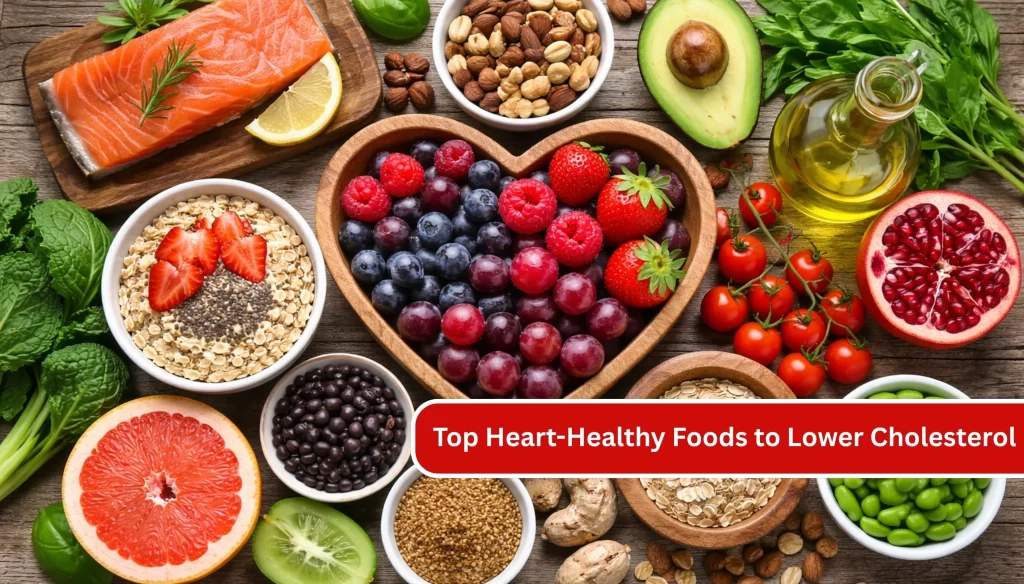
Top Heart-Healthy Foods to Lower Cholesterol Maintaining healthy cholesterol levels is essential for protecting your heart and overall well-being. High cholesterol can increase the risk of heart disease, stroke, and other cardiovascular problems. Fortunately, making smart dietary choices can help lower bad cholesterol (LDL) and support good cholesterol (HDL). Including heart-healthy foods in your daily diet can naturally improve cholesterol levels and promote better heart health. Understanding Cholesterol Cholesterol is a fat-like substance found in your blood. While your body needs some cholesterol to function properly, excessive levels can lead to plaque buildup in arteries, increasing the risk of heart disease. There are two main types of cholesterol: LDL (Low-Density Lipoprotein): Often called “bad cholesterol” because high levels can clog arteries. HDL (High-Density Lipoprotein): Known as “good cholesterol” because it helps remove excess cholesterol from the bloodstream. A healthy diet helps reduce LDL while supporting healthy HDL levels. 1. Oats and Whole Grains Oats are one of the best foods for lowering cholesterol because they contain soluble fiber, particularly beta-glucan. This fiber helps reduce the absorption of cholesterol in the bloodstream. Healthy options include: Oatmeal Whole wheat products Barley Brown rice Starting your day with a bowl of oats can be a simple and effective way to support heart health. 2. Nuts Nuts are rich in healthy fats, fiber, and antioxidants that help reduce LDL cholesterol levels. Heart-healthy choices include: Almonds Walnuts Pistachios Cashews Eating a small handful of nuts daily can support cardiovascular health while providing essential nutrients. 3. Fatty Fish Fatty fish are excellent sources of omega-3 fatty acids, which help reduce triglycerides and improve heart health. Recommended fish include: Salmon Mackerel Sardines Tuna Consuming fish two to three times a week can help lower cholesterol and reduce inflammation. 4. Olive Oil Olive oil contains monounsaturated fats that help reduce bad cholesterol levels while maintaining good cholesterol. Use olive oil for: Salad dressings Cooking vegetables Light sautéing Replacing saturated fats like butter with olive oil is a heart-friendly choice. 5. Avocados Avocados are rich in healthy fats and fiber, both of which help reduce LDL cholesterol. They can be enjoyed in: Salads Sandwiches Smoothies Healthy spreads Regular consumption may help improve cholesterol balance and support heart health. 6. Beans and Lentils Beans and lentils are high in soluble fiber and plant-based protein, making them excellent for cholesterol management. Good options include: Kidney beans (Rajma) Chickpeas (Chana) Black beans Lentils (Dal) These foods also promote fullness and help reduce unhealthy snacking. 7. Fruits Rich in Fiber Certain fruits contain pectin, a type of soluble fiber that helps lower cholesterol. Examples include: Apples Pears Citrus fruits Berries Adding fresh fruits to your daily diet provides essential vitamins and supports heart health. 8. Seeds Seeds are small but packed with nutrients that benefit heart health. Healthy seeds include: Flaxseeds Chia seeds Sunflower seeds Pumpkin seeds These seeds provide omega-3 fatty acids, fiber, and antioxidants that support cholesterol management. Lifestyle Tips for Healthy Cholesterol Diet plays a major role in cholesterol management, but lifestyle habits also make a difference. Exercise Regularly:Physical activity helps increase good cholesterol (HDL) and reduce bad cholesterol (LDL). Maintain a Healthy Weight:Even modest weight loss can improve cholesterol levels. Limit Processed Foods:Reducing foods high in saturated and trans fats can significantly improve heart health. Quit Smoking:Smoking lowers HDL cholesterol and increases heart disease risk. Final Thoughts Managing cholesterol levels naturally starts with healthy food choices. Including fiber-rich grains, nuts, healthy fats, fruits, and vegetables in your daily diet can significantly improve heart health and reduce the risk of cardiovascular disease. Small, consistent dietary changes combined with an active lifestyle can lead to long-term heart health benefits. Padmaja Joshi? Phone: +91 99206 25942? Email: info@padamajajoshi.com

Top Heart-Healthy Foods to Lower Cholesterol Read More »

best foods to control blood sugar naturally

Best Foods to Control Blood Sugar Naturally

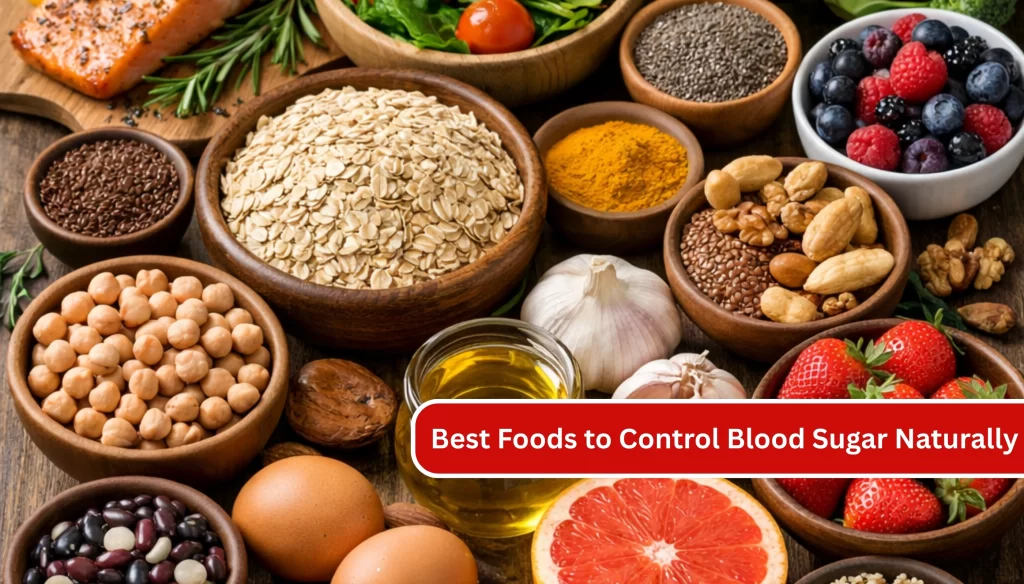
Best Foods to Control Blood Sugar Naturally Managing blood sugar levels is essential for maintaining overall health, especially for individuals with diabetes or those at risk of developing it. While medications and medical guidance are important, incorporating the right foods into your daily diet can play a significant role in naturally controlling blood sugar levels. Choosing nutrient-rich foods that stabilize glucose levels can help improve energy, reduce cravings, and support long-term health. Let’s explore some of the best foods that can help manage blood sugar naturally. Why Diet Matters for Blood Sugar Control The foods you eat directly affect your blood sugar levels. Consuming foods with a high glycemic index can cause sudden spikes in glucose, while balanced meals with fiber, protein, and healthy fats help keep blood sugar stable. A healthy diet for blood sugar management focuses on: High-fiber foods Lean proteins Healthy fats Low glycemic index carbohydrates Natural, minimally processed foods Making these choices regularly can significantly improve blood sugar balance. 1. Leafy Green Vegetables Leafy greens are among the best foods for managing blood sugar. They are low in carbohydrates and high in essential nutrients, fiber, and antioxidants. Examples include: Spinach Kale Fenugreek leaves (Methi) Lettuce These vegetables help improve insulin sensitivity and slow the absorption of sugar in the bloodstream. 2. Whole Grains Unlike refined grains, whole grains contain fiber that slows digestion and prevents rapid spikes in blood sugar. Healthy whole grain options include: Oats Brown rice Quinoa Whole wheat Barley These foods provide steady energy and help maintain stable glucose levels throughout the day. 3. Nuts and Seeds Nuts and seeds are rich in healthy fats, protein, and fiber, which help regulate blood sugar levels. Some excellent choices include: Almonds Walnuts Chia seeds Flaxseeds Pumpkin seeds They also promote satiety and reduce unhealthy snacking. 4. Legumes and Lentils Legumes are packed with protein and fiber, making them ideal for blood sugar management. Good options include: Lentils (Dal) Chickpeas (Chana) Kidney beans (Rajma) Black beans These foods digest slowly and help keep blood sugar levels stable. 5. Cinnamon Cinnamon is a natural spice that may help improve insulin sensitivity and reduce blood sugar levels. You can add cinnamon to: Oatmeal Smoothies Herbal tea Yogurt Even small amounts in daily meals can contribute to better glucose control. 6. Berries Berries are low in sugar compared to many other fruits and are rich in antioxidants and fiber. Healthy berry options include: Strawberries Blueberries Raspberries They help reduce inflammation and support better blood sugar regulation. 7. Greek Yogurt or Curd Unsweetened yogurt is a great source of protein and probiotics, which support gut health and may improve insulin sensitivity. It can be enjoyed with: Fresh fruits Chia seeds A sprinkle of cinnamon Choose plain yogurt without added sugar for the best results. 8. Apple Cider Vinegar Apple cider vinegar may help reduce blood sugar spikes after meals by improving insulin response. A common way to consume it is: Mix one tablespoon in a glass of water before meals. However, it should be used in moderation and under professional guidance. Lifestyle Tips to Support Blood Sugar Control Food choices are important, but combining them with healthy habits enhances their effectiveness. Regular Exercise:Physical activity helps muscles use glucose more effectively, lowering blood sugar levels. Maintain a Healthy Weight:Weight management improves insulin sensitivity. Eat Smaller, Balanced Meals:Frequent balanced meals prevent large blood sugar fluctuations. Stay Hydrated:Drinking enough water supports proper metabolism and glucose regulation. Final Thoughts Controlling blood sugar naturally is possible with the right diet and lifestyle choices. Incorporating fiber-rich vegetables, whole grains, healthy fats, and lean proteins can help maintain stable glucose levels and improve overall well-being. Small dietary changes made consistently can lead to significant long-term health benefits. Padmaja Joshi? Phone: +91 99206 25942? Email: info@padamajajoshi.com

Best Foods to Control Blood Sugar Naturally Read More »

best diet plan for healthy weight loss without starving

Best Diet Plan for Healthy Weight Loss Without Starving

Best Diet Plan for Healthy Weight Loss Without Starving Losing weight does not mean starving yourself or following extreme crash diets. In fact, the healthiest and most sustainable way to lose weight is by nourishing your body with balanced meals, proper portion control, and consistent healthy habits. A well-planned diet helps you burn fat, maintain energy levels, and improve overall health without feeling deprived. This guide explains a simple and practical diet plan that supports healthy weight loss while keeping you satisfied and energized throughout the day. Why Starvation Diets Don’t Work Many people believe eating very little will help them lose weight quickly. While it may show short-term results, starvation diets can slow down your metabolism and lead to several health issues such as fatigue, nutrient deficiencies, and muscle loss. Healthy weight loss should focus on: Balanced nutrition Sustainable eating habits Gradual fat loss Long-term lifestyle improvements When your body receives the nutrients it needs, it naturally burns fat more efficiently. Principles of a Healthy Weight Loss Diet A successful diet plan should include: 1. Balanced Meals Each meal should contain a combination of: Protein (for muscle maintenance) Healthy fats (for satiety) Complex carbohydrates (for energy) Fiber (for digestion and fullness) 2. Portion Control Eating healthy foods is important, but controlling portion sizes is equally essential. Large portions can still lead to excess calorie intake. 3. Regular Meal Timing Skipping meals often leads to overeating later. Eating smaller meals at regular intervals helps maintain stable blood sugar levels and reduces cravings. 4. Hydration Drinking enough water helps improve metabolism, digestion, and appetite control. Sometimes thirst is mistaken for hunger. Sample Daily Diet Plan for Healthy Weight Loss Morning (Upon Waking) Warm water with lemon or soaked fenugreek seeds 5–6 soaked almonds or walnuts Breakfast Choose one: Vegetable oats or poha 2 boiled eggs with whole grain toast Vegetable upma Smoothie with spinach, fruit, and protein source Mid-Morning Snack One seasonal fruit (apple, papaya, or guava) Green tea or herbal tea Lunch 1–2 multigrain rotis or small portion of brown rice One bowl of dal or lean protein One bowl of vegetable sabzi Salad (cucumber, carrot, tomato) Evening Snack Roasted chana or sprouts chaat Green tea or lemon water Dinner (Light Meal) Vegetable soup with paneer or tofu Grilled chicken/fish with vegetables 1 multigrain roti with sabzi Before Bed A cup of warm turmeric milk or herbal tea Foods That Support Healthy Weight Loss Include more of these foods in your diet: Leafy green vegetables Whole grains like oats and quinoa Lean proteins such as eggs, fish, chicken, and legumes Nuts and seeds Fruits with high fiber content These foods keep you full for longer and help prevent unhealthy snacking. Foods to Limit To support weight loss, reduce intake of: Sugary beverages Deep-fried foods Processed snacks Refined carbohydrates like white bread and pastries Excessive sugar and packaged foods Avoiding these helps control calorie intake and improves metabolic health. Lifestyle Habits That Boost Weight Loss Diet works best when combined with healthy lifestyle practices. Regular Exercise:Aim for at least 30–45 minutes of physical activity daily such as walking, yoga, strength training, or cycling. Quality Sleep:Poor sleep can increase hunger hormones and lead to weight gain. Try to get 7–8 hours of sleep every night. Stress Management:High stress can trigger emotional eating. Practices like meditation, deep breathing, or yoga can help manage stress levels. Final Thoughts Healthy weight loss is not about strict dieting or deprivation. It is about making smarter food choices, maintaining balanced nutrition, and adopting sustainable lifestyle habits. When you nourish your body properly, weight loss becomes natural, gradual, and easier to maintain. Remember, consistency is the key. Small daily improvements can lead to long-lasting results. Get in Touch If you are looking for guidance on healthy weight loss and a balanced lifestyle, feel free to reach out. Professional support can help you achieve your health goals in a safe and sustainable way. Padmaja Joshi? Phone: +91 99206 25942? Email: info@padamajajoshi.com Connect today to start your journey toward better health, improved nutrition, and long-term wellness. ?

Best Diet Plan for Healthy Weight Loss Without Starving Read More »

Call Now Button